更新时间:2026-01-22 18:05:38 点击:67301
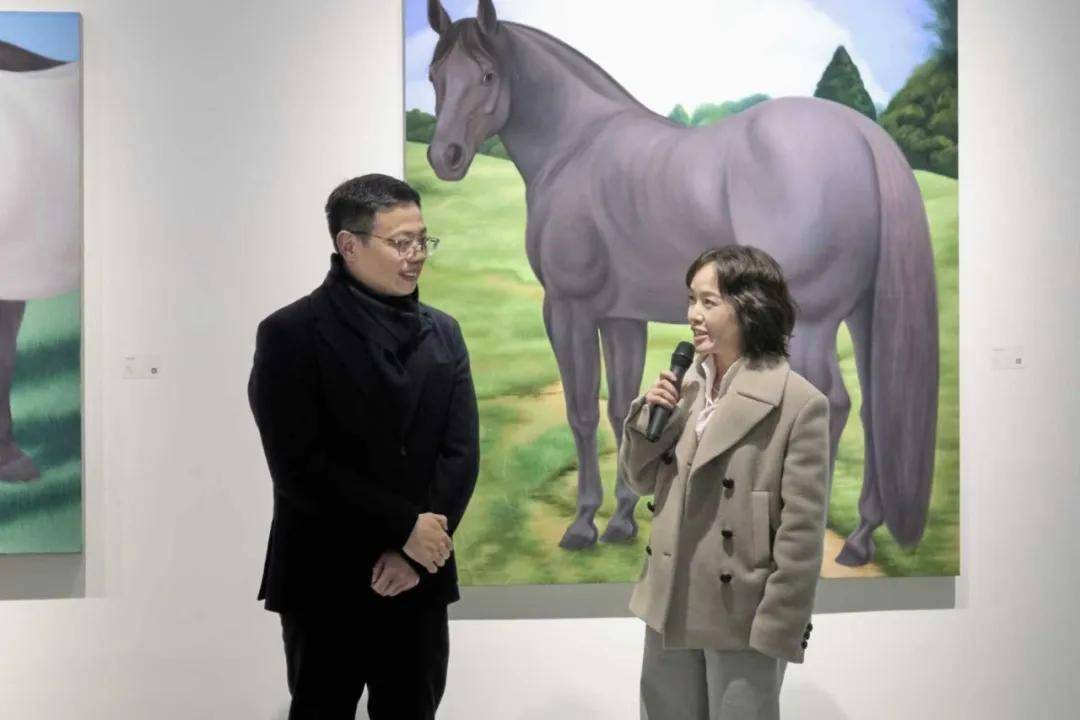
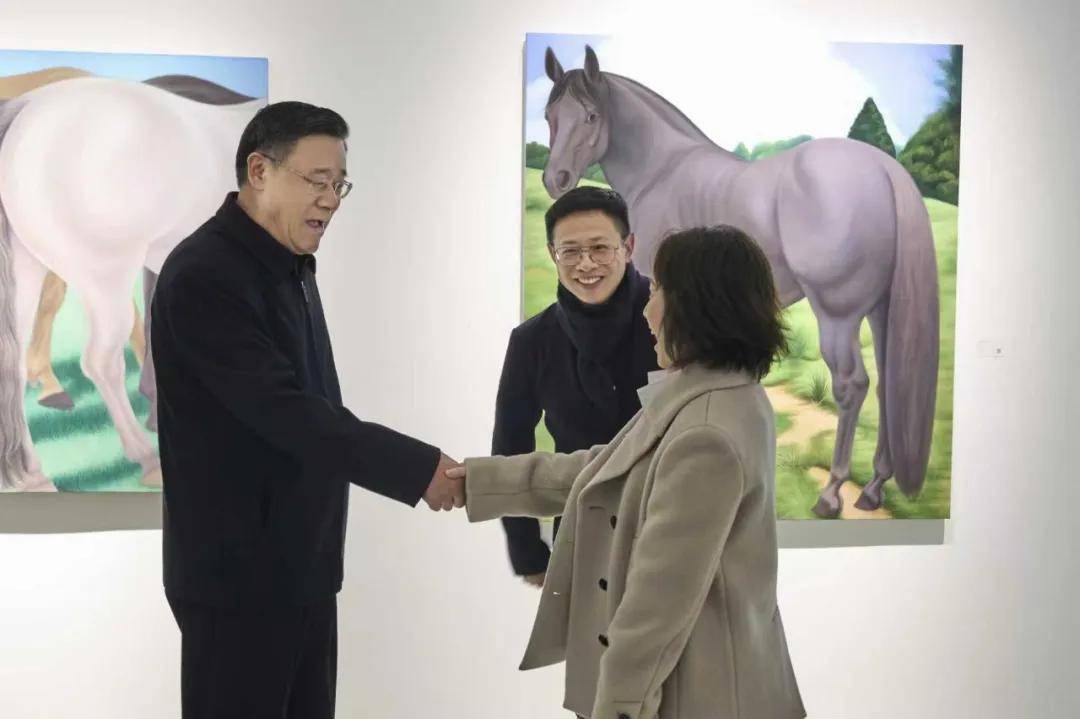
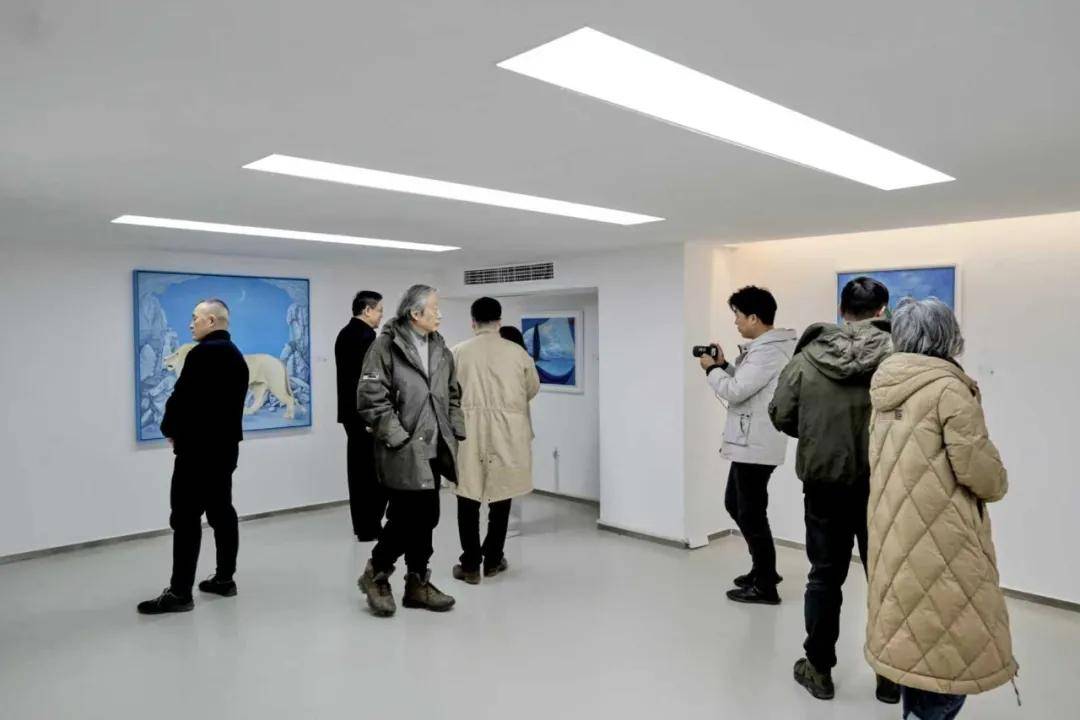
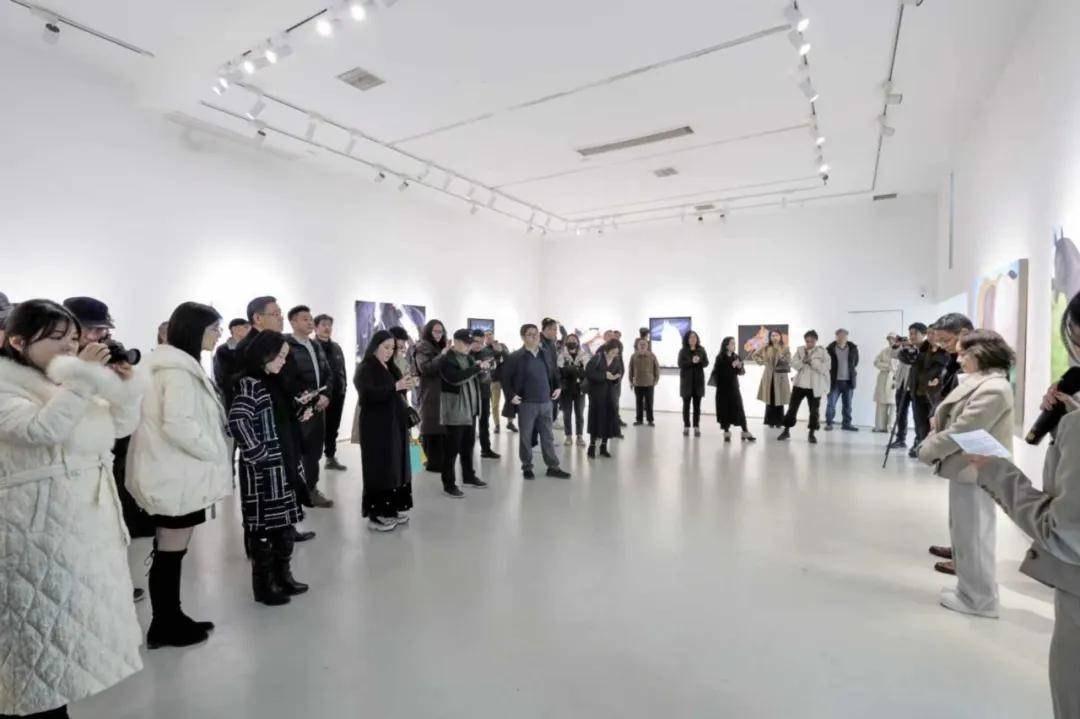
2025年12月30日下午,艺术家魏阳阳个展《走马,且观花——生命的双向凝视》在壹峰艺术中心正式开幕,本次展览集中呈现了魏阳阳近年来围绕“花”与“马”两组核心意象展开的绘画创作。展览在岁末年初这一极具时间意味的节点展开,吸引了来自艺术界、教育界及公众观众到场,在寒冬之中开启了一场关于生命、观看与内在节奏的温柔对话。
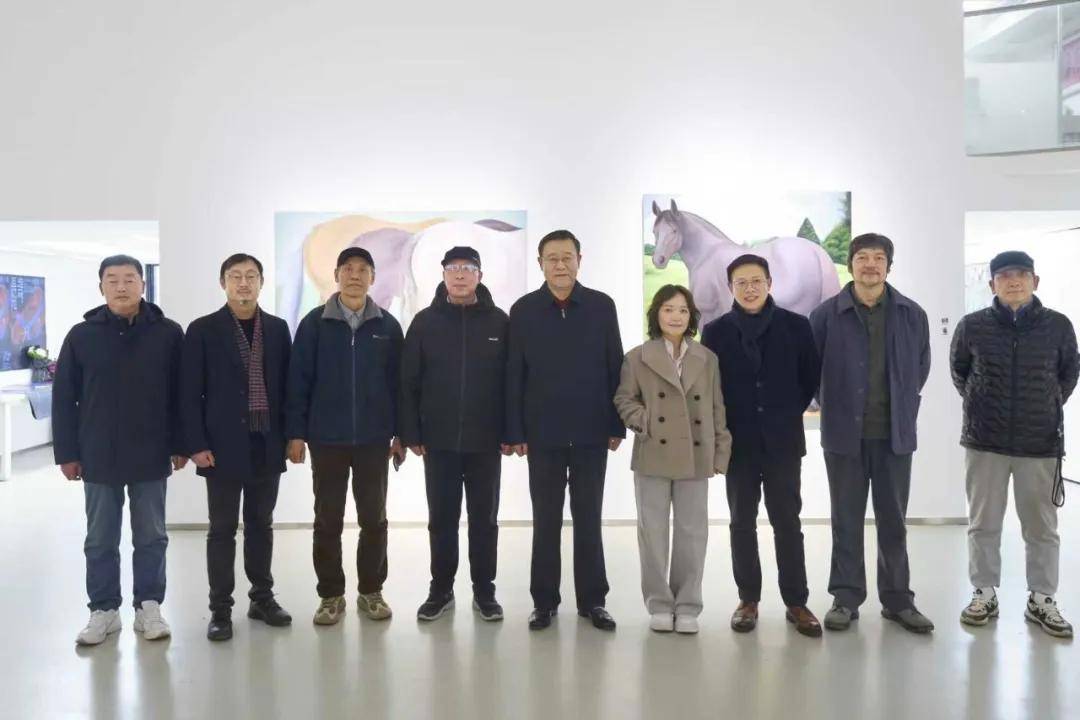
与许多喧闹的开幕现场不同,《走马,且观花》的开幕更像一次缓慢展开的精神进入。观众在画面前停驻良久,反复凝视马的眼睛、花的结构与画面细密的笔触,空间中弥漫着一种安静而专注的气息。
许多观众在现场提到,作品带来的并非“第一眼的冲击”,而是一种需要时间才能逐渐显现的情绪与感受——这恰恰与展览主题形成了微妙呼应。
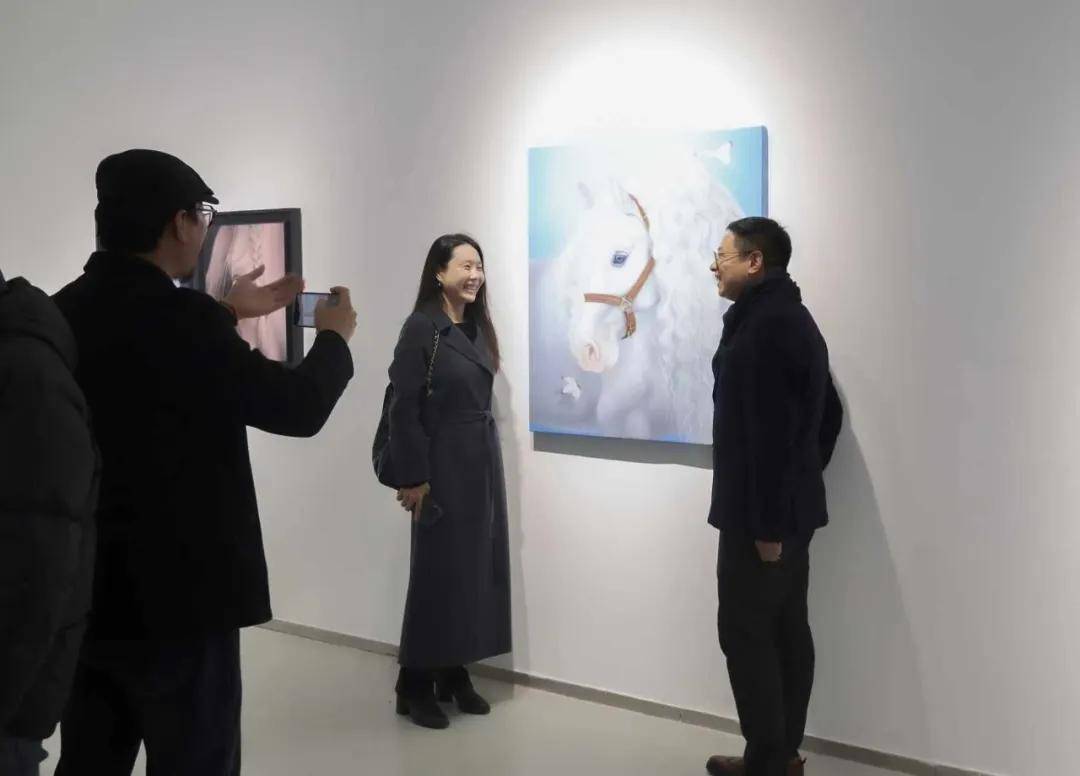
魏阳阳笔下的花,并非传统意义上的静物题材。风信子、绣球、百合、曼陀罗、蒲公英、仙人掌与芦荟,在画面中呈现出强烈的存在感与个性。
艺术家长期亲手培育植物,与它们建立起日常而持续的观察关系。这种经验,使花在画面中不再只是被描绘的对象,而更像拥有自身节奏与性格的“肖像”。它们指向生长、聚合、防御、绽放与离散,也隐约映射着个体情感与内在状态。
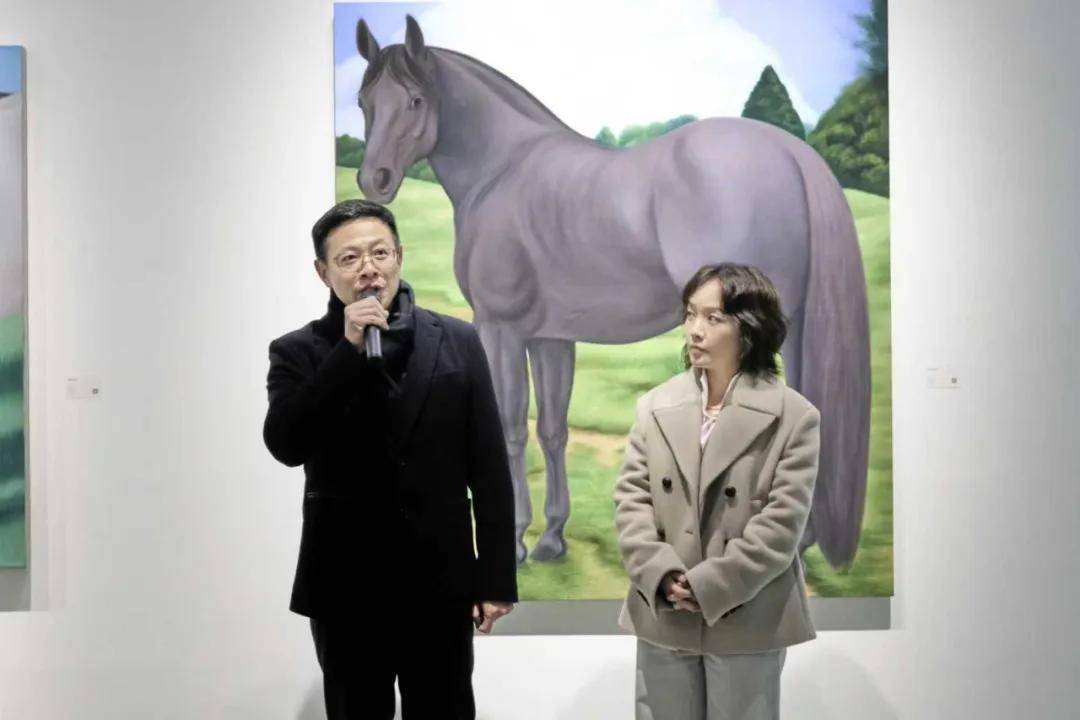
如果说花指向向内的凝视,那么马则构成了作品中另一种重要的精神存在。魏阳阳刻意回避了速度、力量与征服等传统叙事,她笔下的马大多处于静止状态:驻足、凝望、沉思。艺术家反复描绘马的眼睛与毛发,用极其细腻、近乎执着的笔触,赋予马一种接近“人”的情绪密度。
这些马不再是象征性的动物形象,而更像当代人精神状态的投射——在高速运转的现实中,依然渴望停下、思考与自省。
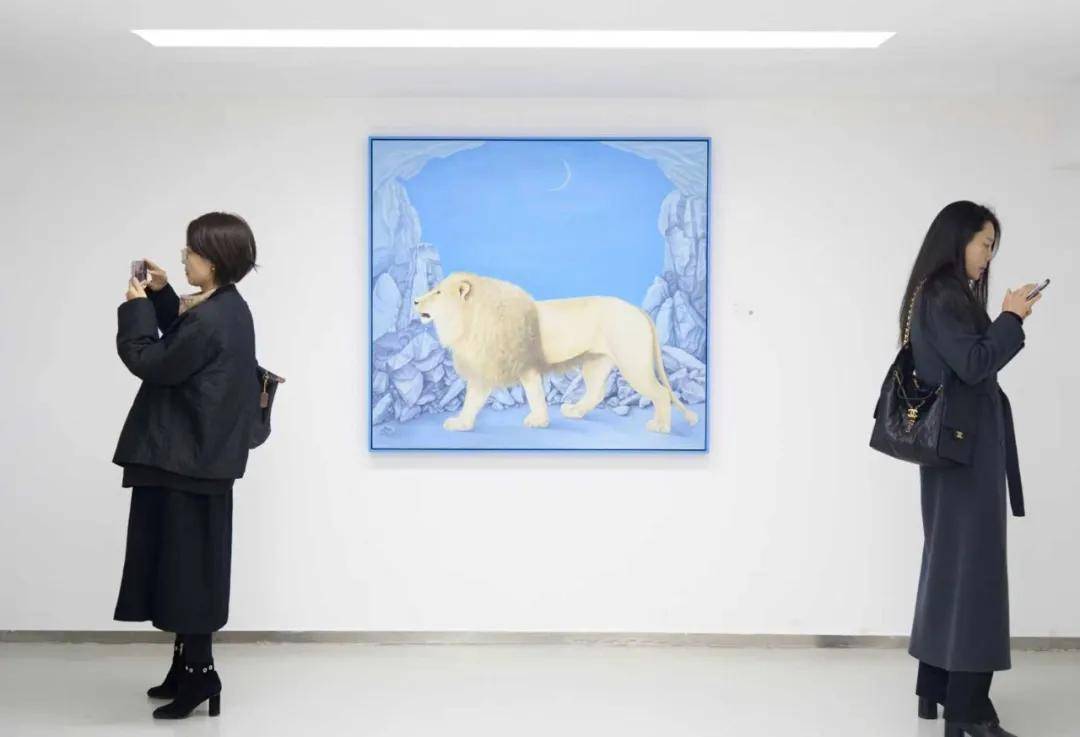
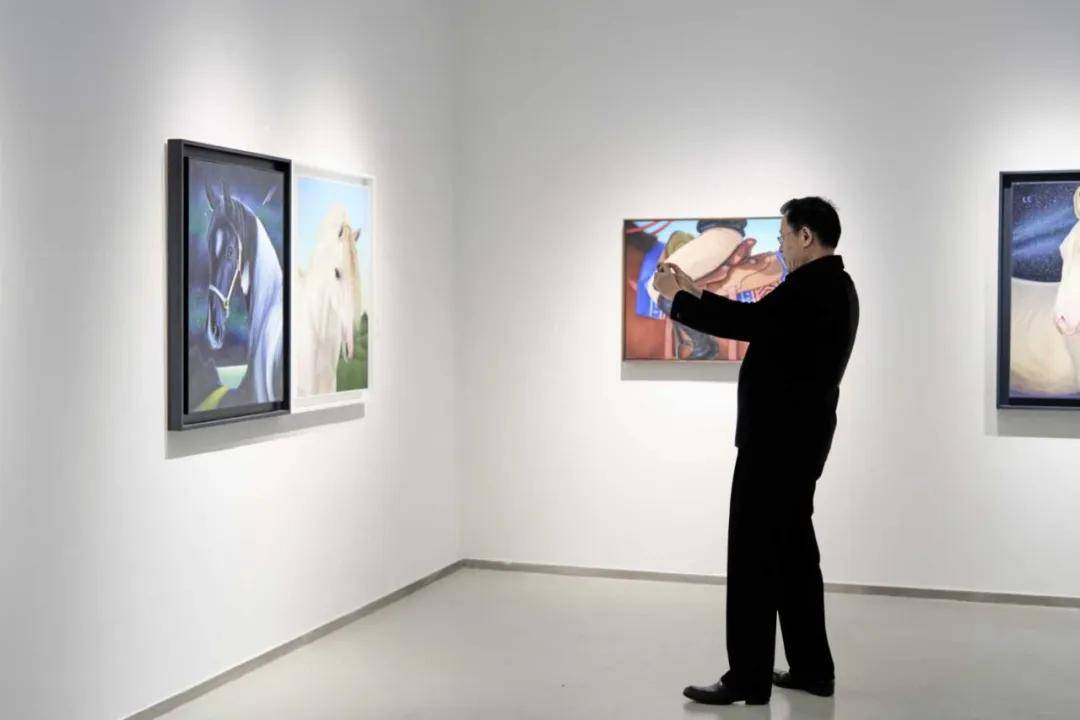
在展览中,“走马”与“观花”并不是两个并列主题,而是一种相互生成的关系:马成为观看的主体,花回应目光;花构成情绪与精神的场域,马则在其中完成凝视。观者在空间中不断切换观看角度——既跟随马的目光进入花的世界,又在花的结构与色彩中,重新理解马所承载的情感与精神维度。
“走马观花”这一原本指向匆忙的成语,在此被重新书写为一种在行进中停顿、在流动中凝视的观看方式。
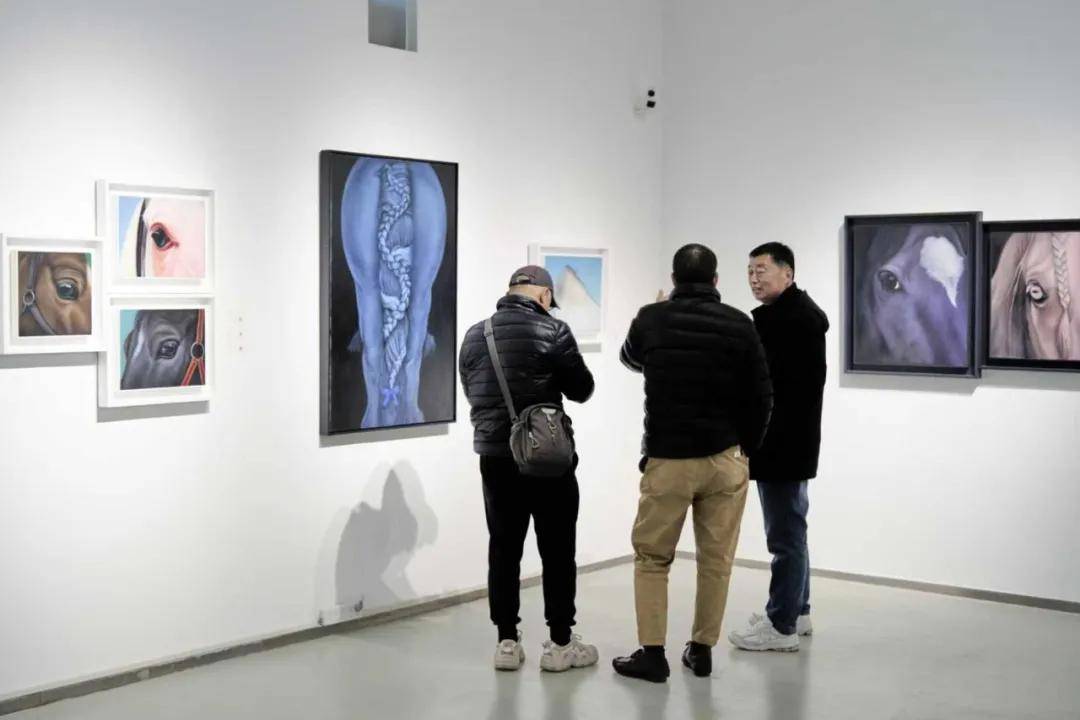
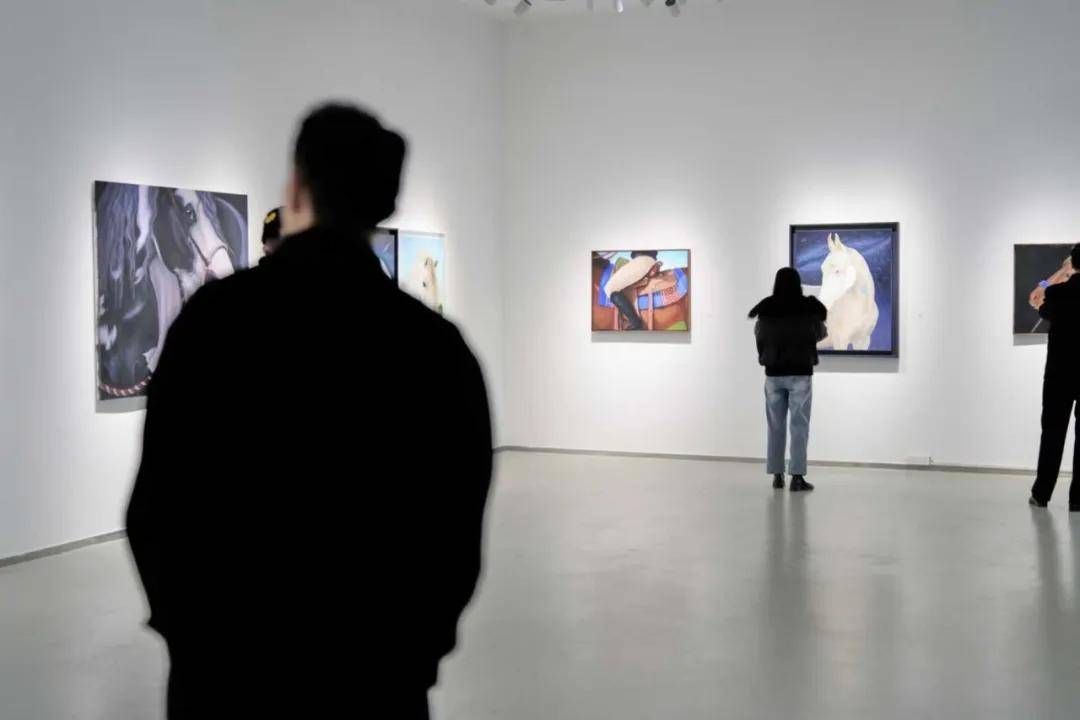
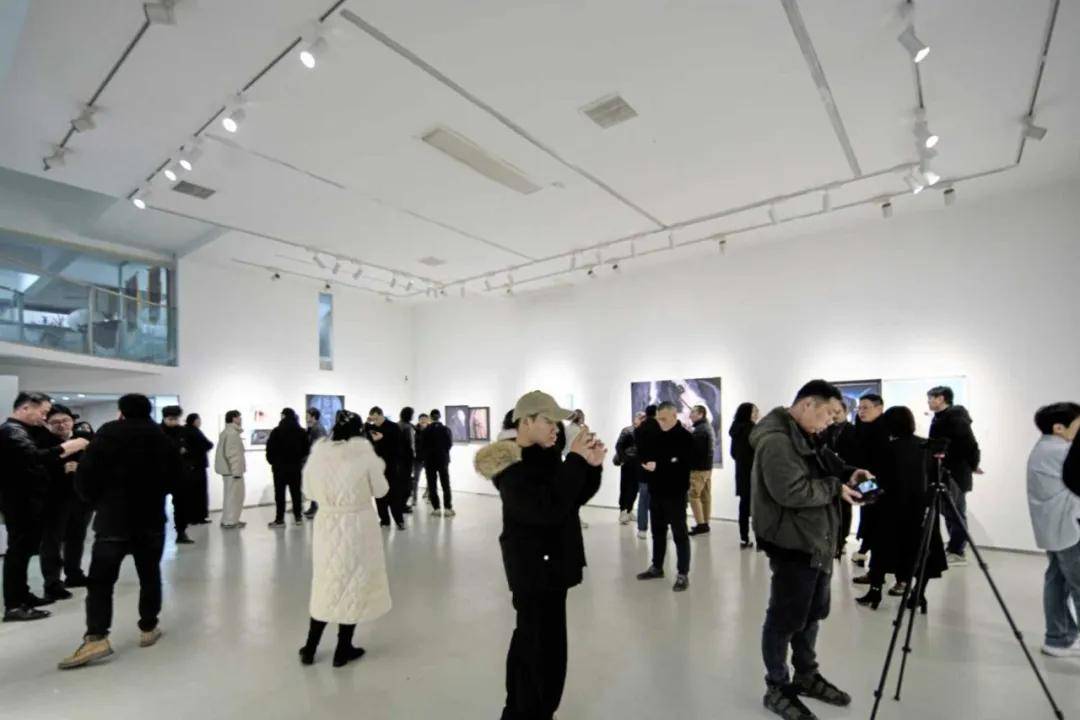
《走马,且观花》并不试图给出明确答案,它更像一次邀请:邀请我们在新旧交替的时间节点上,暂时放慢脚步,重新感受观看的重量。
展览将持续至2026年2月28日。在接下来的时间里,欢迎你走进壹峰艺术中心,在花与马的相互凝望中,完成属于自己的那一次精神“降速”。
IN English
On the afternoon of December 30, 2025, artist Wei Yangyang’s solo exhibition Riding the Horse, and Pausing to View the Flowers: Life’s Bidirectional Gazeofficially opened at Yifeng Art Center. The exhibition brings together a focused selection of the artist’s recent paintings developed around two central motifs—flowers and horses. Unfolding at the threshold between the end of one year and the beginning of another, the exhibition drew visitors from the art community, the education sector, and the general public, opening a quiet yet resonant dialogue on life, perception, and inner rhythm amid the winter season.
In contrast to the lively atmosphere often associated with exhibition openings, the opening of Riding the Horse, and Pausing to View the Flowers felt more like a gradual process of inward arrival. Visitors lingered before the paintings, returning again and again to the horses’ eyes, the structures of the flowers, and the dense, meticulous brushwork that animates the surfaces. A sense of calm concentration filled the space. Many viewers noted that the works did not rely on immediate visual impact; instead, emotions and meanings emerged slowly over time—an experience that subtly echoed the exhibition’s central theme.
The flowers in Wei Yangyang’s paintings depart from the conventions of traditional still life. Hyacinths, hydrangeas, lilies, mandalas, dandelions, cacti, and aloe appear with a striking sense of presence and individuality. Through years of hands-on cultivation, the artist has formed an ongoing, intimate relationship with plants, observing their growth, blossoming, and decline as part of everyday life. This sustained engagement allows the flowers in her work to function less as objects of depiction and more as portraits, each possessing its own rhythm and temperament. They gesture toward processes of growth, gathering, protection, blooming, and dispersal, while quietly mirroring emotional states and inner experience.
If the flowers invite an inward gaze, the horses form another essential spiritual presence within the exhibition. Wei Yangyang deliberately distances her work from conventional narratives of speed, power, and conquest. Instead, the horses are most often shown at rest—pausing, gazing, contemplating. Through repeated and careful rendering of the horses’ eyes and manes, using brushwork that is both delicate and insistent, the artist imbues them with an emotional density that approaches the human. These horses move beyond symbolic animal imagery, becoming projections of contemporary psychological states: figures that, even within a relentlessly accelerated reality, continue to yearn for stillness, reflection, and self-awareness.
Within the exhibition, “riding the horse” and “viewing the flowers” do not operate as parallel themes, but as a mutually generative relationship. The horse becomes the subject of seeing, while the flowers respond to the gaze; the flowers form an emotional and spiritual field within which the horse completes its act of looking. As viewers move through the space, they continually shift perspectives—following the horse’s gaze into the floral realm, and then, through the structures and colors of the flowers, reencountering the emotional and spiritual dimensions embodied by the horse. In this way, the idiom zouma guanhua, originally associated with haste, is rearticulated as a way of seeing that pauses within movement and attends carefully within flow.
Riding the Horse, and Pausing to View the Flowers does not aim to provide definitive answers. Rather, it extends an invitation: at this moment of transition between the old and the new, to slow down, if only briefly, and to rediscover the weight and depth of looking. The exhibition remains on view through February 28, 2026. In the time ahead, visitors are warmly welcomed to Yifeng Art Center to complete their own moment of spiritual “deceleration” amid the mutual gazing of flowers and horses.